Modern vehicles rely on complex computer systems and sensors. Learn how professional diagnostics prevent costly repairs and keep you on the road.
Modern vehicles are more advanced than ever before. With complex computer systems, sensors, and electronic components working together, identifying the source of a vehicle problem requires more than simply looking under the hood. Professional diagnostics have become one of the most important tools for maintaining vehicle performance and preventing costly repairs.
A typical vehicle built in the last decade contains 30 to 100 electronic control modules (ECUs) communicating over a CAN bus network, processing data from hundreds of sensors every second. When something goes wrong, the symptom you experience — a rough idle, a warning light, a shudder during braking — is usually the end of a chain that started somewhere else entirely. Diagnostics is the process of following that chain back to the actual cause.
At Grizzly Service & Repair LLC, accurate diagnostics are the foundation of every reliable repair — helping customers get back on the road faster, safer, and with confidence.
What Vehicle Diagnostics Actually Do
Today's vehicles run on dozens of interconnected modules that constantly monitor performance. When something goes wrong, the system stores trouble codes (DTCs) that point a technician toward the affected area. Professional diagnostic equipment reads those codes and combines them with live sensor data so the actual root cause can be identified — not just the symptom.
A proper diagnostic process typically includes four layers of information:
- Stored trouble codes — historical faults the vehicle's computer has logged
- Pending and permanent codes — issues detected but not yet confirmed, or codes that can't be cleared without a verified repair
- Freeze frame data — a snapshot of engine conditions at the exact moment a fault occurred
- Live data streams — real-time readings from sensors and modules while the vehicle is running
A code alone tells you which system reported a problem. The combination of all four layers tells you why.
Common Issues Diagnostics Can Reveal
A proper diagnostic scan can uncover issues such as:
- Engine misfires and performance drops
- Transmission shifting problems and torque converter faults
- ABS, traction control, and stability system faults
- Emissions and fuel system issues (EVAP leaks, fuel trim problems)
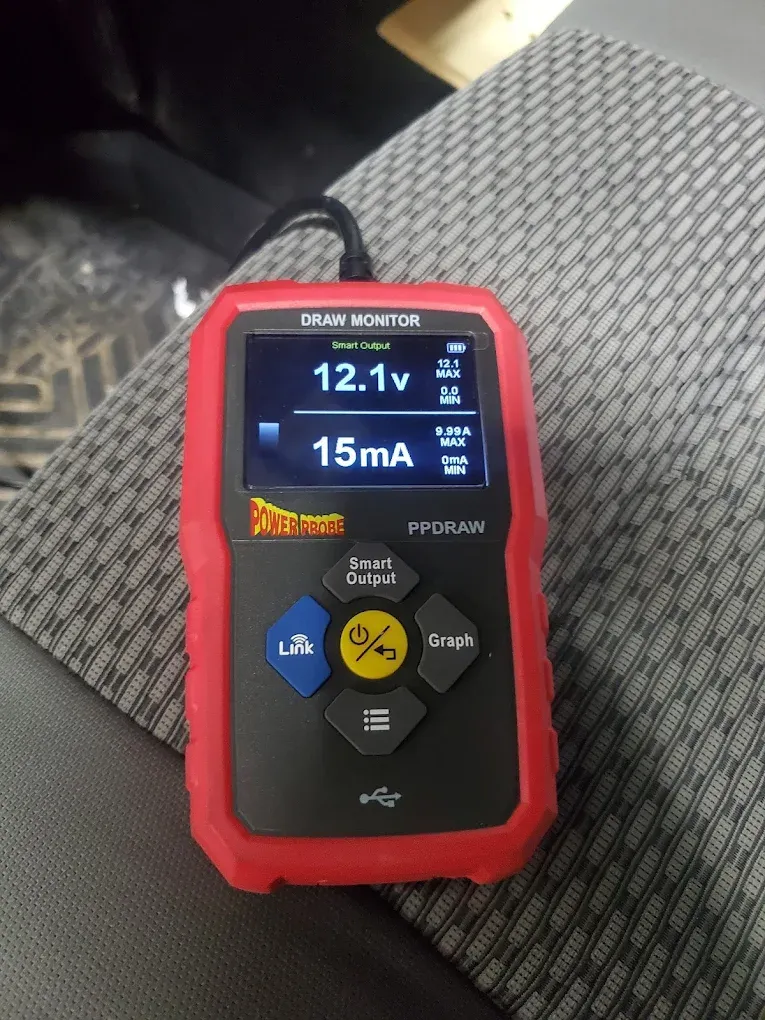
- Battery, alternator, and charging system faults
- HVAC system malfunctions and blend door failures
- Sensor and module communication failures across the CAN bus
- Tire pressure monitoring (TPMS) faults
- Body control module and lighting system issues
Catching these problems early often prevents a small issue from turning into a major repair. A misfire ignored for a few weeks, for example, can destroy a catalytic converter and turn a $200 coil pack replacement into a $1,500+ repair.
Why Guessing Costs More Than Testing
Replacing parts based on a guess is one of the most expensive ways to repair a vehicle. Without proper diagnostics, the same problem may return — or new problems may appear. Investing in a professional scan up front saves money, time, and frustration in the long run.
A common example: a P0420 code (catalyst efficiency below threshold) often leads to an unnecessary catalytic converter replacement. In reality, the cause is frequently a failing oxygen sensor, an exhaust leak upstream, or a misfire that's degrading the converter. Replacing the converter without addressing the root cause means the code returns within weeks — and the customer has now paid for two repairs instead of one.
When You Should Request a Diagnostic Check
Bring your vehicle in for diagnostics any time you notice:
- A check engine, ABS, airbag, or other warning light
- Rough idling, stalling, or hesitation under acceleration
- Hard shifting, slipping, or delayed gear changes
- Strange noises, smells, or vibrations
- Reduced fuel economy or unusual exhaust smoke
- Electrical glitches, flickering dash lights, or modules behaving erratically
- Starting problems, slow cranking, or repeated dead batteries
Even if the vehicle seems to be running fine, an active warning light usually means the computer has detected something worth investigating. Many emissions and safety-related faults won't affect drivability at first — but they will fail a state inspection and can cascade into bigger problems if ignored.
The Tools Behind a Modern Diagnostic
Professional diagnostics rely on far more than the basic code readers sold at parts stores. A complete shop setup includes manufacturer-level scan tools capable of bidirectional control (commanding components on and off to verify operation), digital multimeters, oscilloscopes for analyzing sensor waveforms, smoke machines for finding EVAP leaks, and compression and leak-down testers for mechanical verification.
This equipment, combined with technician training and access to OEM service information, is what separates a real diagnosis from a guess. It's also what allows a shop to confidently quote a repair the first time — instead of asking a customer to keep paying for parts until the problem goes away.
How Grizzly Service & Repair LLC Approaches Diagnostics
Every diagnostic at Grizzly follows the same disciplined process:
The goal is simple: fix the actual problem the first time, and explain it in plain language so the customer understands exactly what they're paying for.
- Customer interview. Understanding when the problem started, what conditions trigger it, and any recent service history.
- Visual inspection. Checking for obvious mechanical issues, leaks, damaged wiring, or aftermarket modifications.
- Full system scan. Pulling codes from every module on the vehicle — not just the engine computer.
- Live data analysis. Comparing real-time sensor readings to manufacturer specifications under operating conditions.
- Verification testing. Using bidirectional controls, scope patterns, or physical tests to confirm the actual failed component.
- Repair recommendation. Providing a clear, written explanation of what failed, what it will take to fix it, and why.
Preventive Diagnostics Keep You Ahead of Trouble
Routine maintenance and diagnostic testing help drivers stay ahead of potential issues while improving vehicle dependability. A periodic health scan — even with no warning lights — can flag pending codes, degraded sensors, weak batteries, and emerging fuel-trim issues long before they become breakdowns.
For fleet vehicles and high-mileage daily drivers, scheduling a diagnostic scan once or twice a year is one of the cheapest forms of insurance available. It turns surprise breakdowns into planned repairs, which are almost always less expensive and less disruptive.
Whether addressing a warning light, unusual noise, performance concern, or routine maintenance need, proactive vehicle care can help prevent disruptions and extend the life of the vehicle.
Grizzly Service & Repair LLC remains committed to providing dependable automotive solutions, helping customers maintain safe, reliable, and efficient vehicles for years to come.
Have questions about your vehicle?
Contact Grizzly →