Battery testing, tire condition, fluids, and the small checks that make a huge difference once temps drop below zero.
Wisconsin winters are unforgiving. Sub-zero mornings, salted roads, and unpredictable storms test every system in your vehicle. A little preparation in the fall can be the difference between a reliable winter and an expensive tow on the coldest day of the year.
The good news: most cold-weather breakdowns are preventable. A 30-minute pre-winter inspection catches almost all of them.
Test the Battery Before the Cold Hits
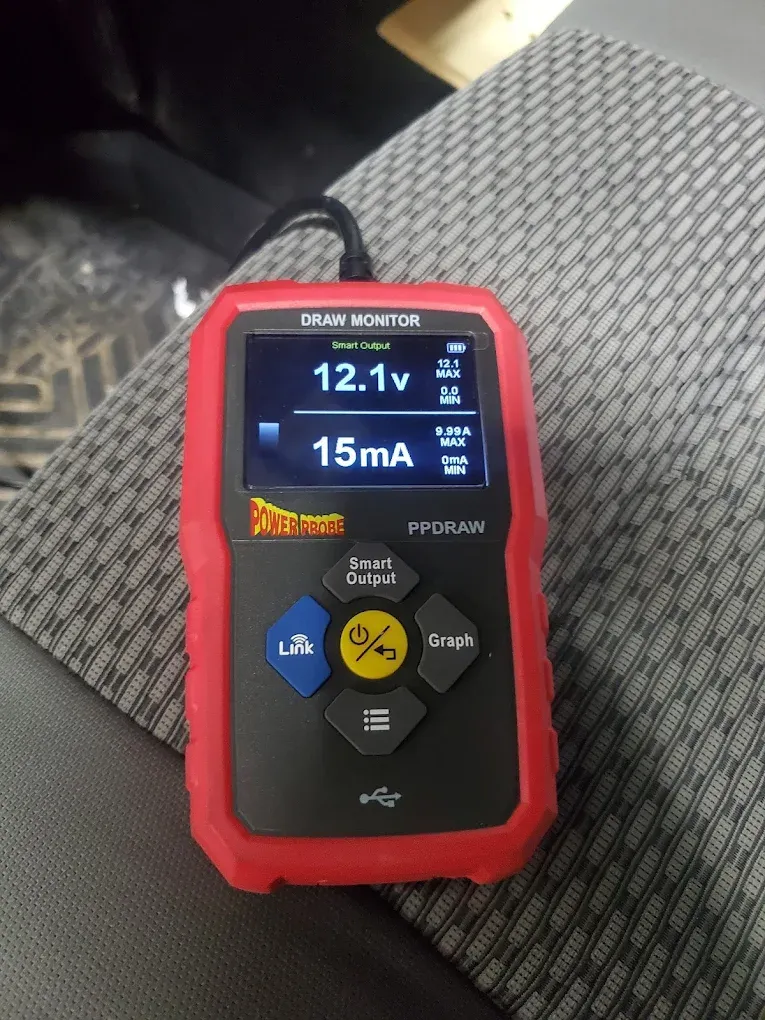
Cold weather can cut a battery's available power nearly in half, while the engine needs more current to crank because the oil is thicker. A battery that started your car fine in October may not crank in January.
Have it load-tested before temperatures drop. If it's three years old or more, or shows weak voltage under load, replace it on your schedule instead of waiting for it to die in a parking lot. Also check terminals for corrosion and confirm the alternator is charging in the 13.8–14.7V range.
Check Tires for Tread and Pressure
Tires lose roughly 1 PSI for every 10°F drop in temperature, and traction drops sharply once tread depth gets shallow. Make sure to:
- Check pressure monthly through winter and after every cold snap
- Inspect tread depth — at least 4/32" for usable snow traction
- Consider dedicated winter tires for rural Wisconsin driving
- Look for cracks, bulges, or uneven wear that signal alignment or suspension issues
- Don't forget the spare — it loses pressure too
All-season tires get hard and lose grip below about 45°F. If you regularly drive county roads or have a steep driveway, a dedicated set of winter tires pays for itself the first time it keeps you out of the ditch.
Fluids Matter More Than You Think
Cold weather affects every fluid in your vehicle. Before winter:
- Test coolant strength to at least -34°F with a refractometer or test strip
- Switch to winter-rated washer fluid (summer fluid freezes on contact)
- Check oil — synthetic flows better in extreme cold and protects on cold starts
- Top off brake and power-steering fluid; inspect for any leaks
- Verify transmission fluid level and condition
Heat, Defrost, and Visibility
If your heater is slow to warm up, blows lukewarm, or only works on certain settings, get it diagnosed before the first hard freeze. The most common causes are a stuck thermostat, low coolant, a failed blend door, or a partially clogged heater core — all easier to fix when the weather is still mild.
Replace wiper blades every fall and confirm the rear defroster grid and side-mirror defrosters all work. Visibility kills more cold-weather trips than any mechanical failure.
Build a Winter Emergency Kit
A simple kit in the trunk turns most winter problems from emergencies into inconveniences:
- Blanket, warm hat, and gloves
- Flashlight with fresh batteries
- Jumper cables or a lithium jump pack
- Small folding shovel and bag of sand or kitty litter for traction
- Phone charger and a printed list of emergency numbers
- Snacks and a bottle of water
Don't Skip the Small Stuff
Wiper blades, defroster operation, heater performance, and an emergency kit in the trunk make a real difference when conditions turn ugly. A 15-minute pre-winter inspection at Grizzly Service & Repair LLC often prevents the worst surprises — and gives you peace of mind for the months ahead.
Have questions about your vehicle?
Contact Grizzly →